
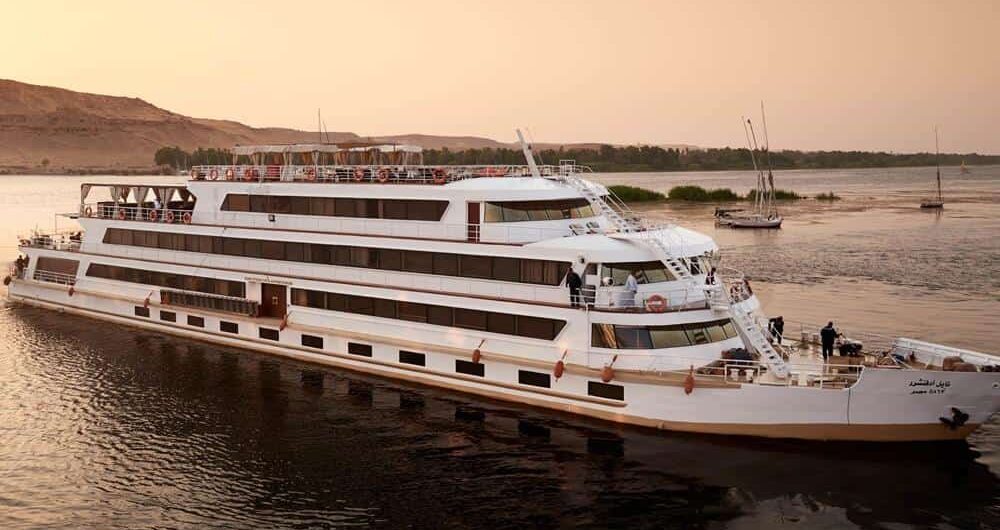
A Luxor Aswan Cruise takes travelers beyond isolated temple visits, placing each ancient site within a continuous historical narrative. With expert Egyptologist guides and a thoughtfully planned route, the Nile journey becomes a genuine cultural experience rather than a bucket checklist.
Key Takeaways:
- A Luxor Aswan Cruise visits major ancient sites in sequence, giving each stop meaningful context.
- Traveling with an Egyptologist guide makes temple inscriptions and royal symbolism understandable.
- The route covers Karnak, Valley of the Kings, Edfu, Kom Ombo, and Philae Temple.
- Without guided structure, travelers often leave Egypt feeling they missed the deeper story.
- On-board comfort and local evening entertainment add cultural depth between site visits.
Egypt holds more history than most travelers are prepared for. Standing inside Karnak Temple without any background is like reading a book with missing chapters. A Luxor Aswan Cruise changes that completely, moving travelers through ancient sites in a logical sequence where each stop builds on the last, turning scattered sightseeing into something that genuinely makes sense.
Most people spend months imagining what Egypt will feel like, then arrive to find that rushing between sites independently leaves them confused and underwhelmed. A Luxor Aswan Cruise gives every stop a clear purpose. Sailing the Nile between cities means the journey itself becomes part of the experience, not simply dead time between temples.
When the River Becomes the Story
- The Role of Expert Guidance at Ancient Sites: Traveling through Luxor and Aswan without a trained guide means missing most of what these places actually contain. The study of Egyptology has uncovered layers of meaning behind temple inscriptions, burial customs, and royal symbolism invisible to the untrained eye. A qualified Egyptologist on board connects these threads in real time, making each site feel like a genuine discovery rather than a brief photo stop.
- How Sequence Creates Understanding: The temples between Luxor and Aswan were not built in isolation. They follow a historical and religious progression that only becomes clear when visited in order. Moving by cruise allows travelers to absorb one site before arriving at the next, giving the mind time to process rather than just photograph. That pacing is hard to replicate any other way.
What Gets Lost Without the Right Structure
- The Real Cost of Disconnected Travel: Travelers who visit temples individually, without context or a structured route, often leave Egypt feeling something was missing. They saw impressive ruins but never understood the story connecting them. That sense of incompleteness is remarkably common, and it almost always comes down to how the trip was organized, not where it went.
- What a Well-Planned Cruise Route Covers: Each stop on the route between Luxor and Aswan plays a distinct role in the overall journey. The temples and monuments visited along the way reflect how ancient Egyptian civilization evolved across different dynasties. Skipping any single stop, or visiting them without order, leaves gaps that no amount of reading can fill later.
- Karnak Temple Complex: The largest ancient religious structure ever built, spanning 1,500 years and 247 acres of pharaonic construction.
- Valley of the Kings:A royal burial site where tombs reveal ancient beliefs about death, the afterlife, and the power of Egyptian rulers.
- Temple of Horus at Edfu:One of Egypt’s best-preserved temples, offering a clear picture of late-period architecture and religious ritual.
- Kom Ombo Temple:A rare dual-deity site that reflects how religious practice and building design varied across Egyptian regions.
- Philae Temple in Aswan:An island sanctuary marking the southern reach of the ancient Egyptian world, still one of the most striking sites on the river.
Depth That Stays Long After the Journey
- Why Scale Changes Everything: Reading about pharaonic architecture in a guidebook provides facts. Standing inside a hypostyle hall, surrounded by columns that dwarf everything built today, provides scale. That difference matters more than most travelers expect before they arrive. Visitors who move through these spaces with qualified guidance understand why ancient rulers dedicated entire reigns to constructing them.
- The Nile as a Living Backdrop: The river between Luxor and Aswan is not background scenery. Villages, farmland, and daily life appear on its banks in ways that have changed remarkably little over centuries. Watching this from the deck between site visits adds a human dimension that no museum exhibit can fully replicate. It grounds the ancient world in something still visible and alive.
- How On-Board Comfort Shapes the Overall Experience: A well-organized cruise between Luxor and Aswan is not only about the sites themselves. Time spent on board matters equally, perhaps more than most travelers anticipate. Quality vessels provide full-board dining, sun decks, and evening cultural entertainment, ensuring travelers arrive at each site rested and focused rather than exhausted from constant transfers and logistics.
Where Every Day on the Nile Pays Off
Travelers who leave Egypt saying it changed them almost always experienced it with proper structure and the right guidance beside them. Planning matters, and so does the person standing next to you when history finally makes sense. Book a guided Luxor Aswan Cruise now and make sure every day on the river becomes a moment worth keeping.