

Luxor is a place like no other on earth, the sheer size and the numbers of its wonderful preserved monuments have made Luxor Egypt’s greatest attraction after the Pyramids. Luxor, once an Ancient Egyptian capital, is known today as the world’s greatest open-air museum. From the tomb of Tutankhamen in the Valley of the Kings

There are a plenty of outstanding experiences in Cairo that everyone will love it. Cairo is the capital of the Arab world city of Thousand Minarets. City full of rich and historic treasures.Cairo ….this sprawling, historic, ancient city is most visitor’s first stop on a trip through Egypt. The Pyramids of Giza ,Great Sphinx and the Egyptian

Egypt is more than just Pyramids and Temples. For many first-time visitors to Egypt, the Pyramids of Giza, a Nile Cruise, and the archeological treasures in Luxor and Aswan must-see list. But Egypt offers many more exciting experiences. Egypt is home to some of the most famous tourist destinations in the world, and is also

Abu Simbel undisputedly one of the world’s most breathtaking monuments, and Egypt’s second most visited touristic site, the Pyramids of Giza being on the top of the list. The relocation of the temples was a historic event in the 1960’s. At that time, the temples were threatened by submersion in Lake Nasser when the High Dam was constructed.

The Valley of the Kings is one of the most famous archaeological sites in the world, a UNESCO World Heritage site. Is a burial ground for Ancient Egyptian royalty between the 16th and 11th century BC. There are over 63 Tombs, although only a few are open to public. Here are the best tombs to

The West Bank of Luxor is one of the most important archaeological sites in the World. It’s approximately nine square kilometers encompass the Famous Valley of the Kings, the breathtaking tomb of Queen Nefertari at Valley of the Queens, Temples of ancient Egyptian Pharaohs and the most striking of them the Mortuary Temple of Queen

The city of Dendera is located on the west bank of the Nile, about 60 km (37 miles) to the north of Luxor. The Dendera Temple Complex is situated around 2.5 km (1.55 miles) to the southeast of this city. The city of Abydos located 105 km north of Dendera City. The city of Abydose

The tomb of Nefertari , which is located in the Valley of the Queens on the west Bank of Luxor, is one of the most spectacular tombs that you can visit in Egypt. Tomb of queen Nefertari’s Ramses II favorite wife is the most famous attraction. The tomb is said to be one of the

Egypt is one of the most fascinating places in the world. With a profoundly rich history and sightseeing, this is a bucket-list destination for so many. When people think of Egypt, they very likely think of the Pyramids of Giza. They are almost synonymous with the country, and absolutely breathtaking. The pyramids of Giza, along
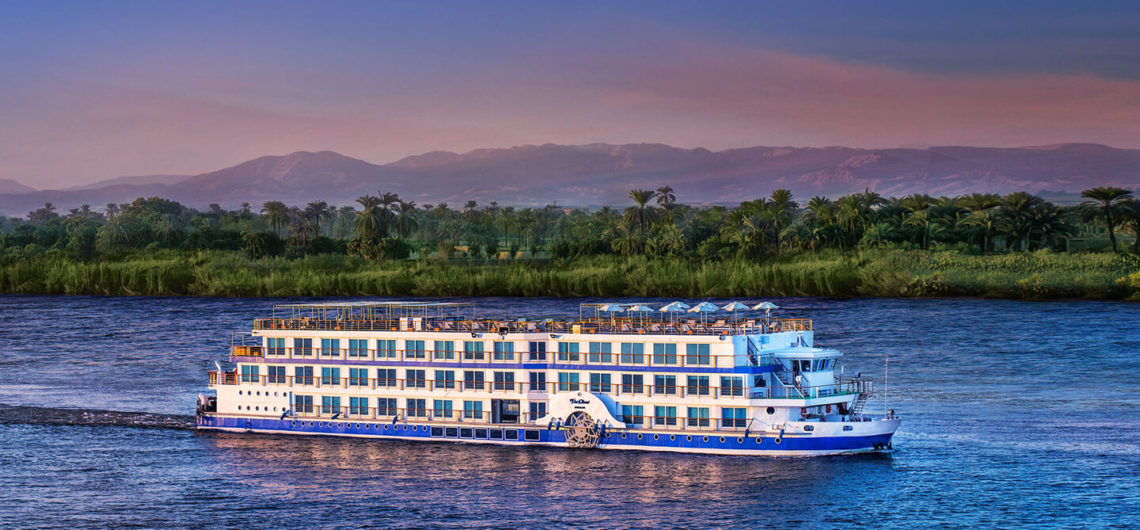
Taking an Egypt Nile Cruise is one of the quintessential things to do in this country. It is one of the most enjoyable experiences that you must include in your trip to Egypt. It mixes between the Histories of Ancient Egypt with relaxation which makes your trip to Egypt an unforgettable one. Determine Your Budget